Home › Products › Others › Anti D 150mcg Injection PFS
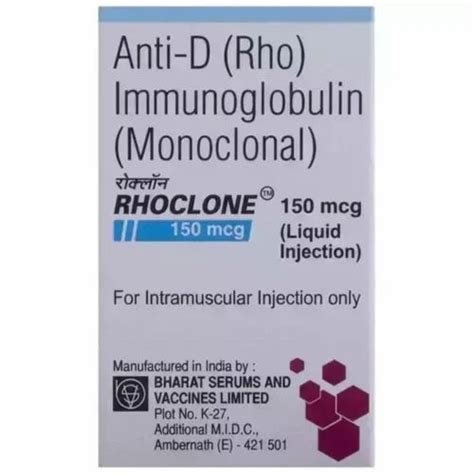
Anti D 150mcg Injection PFS
Salt Composition: ANTI RH D IMMUNOGLOBULIN
- Manufacturer: BHARAT SERUMS & VACCINES LTD
- Pack Size: 1 PREFILLED SYRINGE(s) OF 1ML
- Dosage Form: INJECTION
- Strength: 150MCG
- Prescription Required
- Cold Chain
- Prepaid Only. Non-Returnable.
- Storage: Stored at room temperature from 2-8°C. Keep away from moisture, heat, and light. It should not be frozen. Keep away from children and pets.
₹2564.00₹3016.27
Inclusive of all taxes
Product Introduction
Anti D 150mcg Injection PFS contains the active component Anti-Rh(D) immunoglobulin. It is used to prevent Rh(D) haemolytic disease of the newborn (HDN). This condition occurs when an Rh-negative mother carries an Rh-positive baby. The medication significantly reduces the risk of Rh-negative mothers developing antibodies against Rh(D) antigens, which could otherwise cause HDN in subsequent pregnancies. Patients with a known severe allergy or hypersensitivity to any component of Anti D Injection should not receive this medication. It should not be given to Rh-positive mothers, as they already have Rh(D) antigens on their red blood cells and cannot develop Rh antibodies. If a woman is already sensitised to Rh(D) antigens—meaning she has developed Rh antibodies in a previous pregnancy or event—this medication will not reverse the sensitisation. It functions only as a preventive measure and should not be administered in this situation. Anti D Immunoglobulin Injection is generally considered safe for use in elderly individuals, provided they meet the necessary criteria for administration based on their blood type and medical history. It can be administered to children when medically necessary to prevent Rh sensitisation.
Uses
Anti D Immunoglobulin Injection uses are: Prevention of Rh Sensitization Prevention of Rh Hemolytic Disease of the Newborn (HDN) Preventing Alloimmunization
How it works
Anti D 150mcg Injection PFS involves the binding of RhIg antibodies to Rh-positive fetal blood cells that enter the maternal bloodstream during pregnancy or childbirth. By covering the Rh(D) antigens on these fetal blood cells, RhIg prevents the mother's immune system from recognising them as foreign and producing antibodies against them. This neutralisation of Rh-positive fetal blood cells effectively prevents Rh sensitisation, ensuring the mother's immune system does not develop antibodies that could lead to hemolytic disease of the newborn (HDN) in subsequent pregnancies.
How to Use
Anti D 150mcg Injection PFS (RhIg) can be administered through two primary routes: intramuscular (IM) injection and intravenous (IV) injection. The doctor chooses the administration route based on the patient's needs and preferences.
Side Effects
Anti D 150mcg Injection PFS causes some side effects like all medications, although not everyone will experience them. Anti D Injection side effects are: Serious Allergic reactions Blood Clots (thromboembolism) Kidney issues Infections Common Local reactions Low-grade fever
Expert Tips
When using Anti D 150mcg Injection PFS, healthcare providers should exercise precautions such as confirming the patient's Rh blood type, monitoring for allergic reactions (especially in those with known allergies), assessing clotting risk, closely observing patients with kidney issues, educating about infection transmission risks, considering vaccination timing, evaluating safety during pregnancy and breastfeeding, screening for hepatitis B, administering accurate dosages, being aware of potential drug interactions, ensuring proper storage, monitoring for Rh sensitization efficacy, adjusting dosages for pediatric and geriatric patients, and assessing patients with compromised immune systems or underlying conditions. These precautions help ensure the safe and effective use of this medication for each patient's specific clinical needs while minimizing potential risks.
References
- Athina L. Yoham, Damian Casadesus, [Revised on 27th May 2021] [Accessed on 26 September 2023], https://www.ncbi.nlm.nih.gov/books/NBK557884/
- CSL Behring GmbH, [Revised on Jun 2019] [Accessed on 26 September 2023], https://www.medicines.org.uk/emc/files/pil.6791.pdf
- CSL Behring (NZ) Ltd, [Revised on Jun 2021] [Accessed on 26 September 2023], https://www.medsafe.govt.nz/profs/Datasheet/r/RhDimmunoglobulinVFinj.pdf
Safety Advice
Pregnancy: Consult your doctor Anti D 150mcg Injection PFS is commonly administered during pregnancy to prevent Rh sensitisation in Rh-negative mothers carrying Rh-positive babies. Always consult a healthcare provider before taking this medication.
Lungs: Consult your doctor Individuals with respiratory conditions should consult a health care provider before taking Anti D 150mcg Injection PFS.
Breastfeeding: Consult your doctor Anti D 150mcg Injection PFS is not contraindicated during breastfeeding. It is a blood product, but the components are not known to pass into breast milk in significant amounts. However, healthcare providers should consider individual circumstances.
Disclaimer
The information provided on this page is intended for general informational purposes only and should not be considered as medical advice. Always consult a qualified healthcare professional before starting, stopping, or changing any medication. Self-medication can be harmful. Med For Rare does not endorse self-diagnosis or self-treatment.