Home › Products › Urology › Bencid Tablet
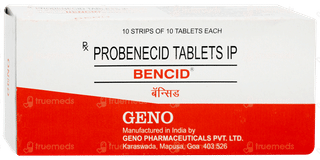
Bencid Tablet
Salt Composition: PROBENECID
- Manufacturer: GENO PHARMACEUTICALS PVT LTD
- Pack Size: 10 TABLET(s) IN A STRIP
- Dosage Form: TABLET
- Prescription Required
- Storage: Store at room temperature, between up to 15°C to 30°C (59°F to 86°F). Keep away from moisture, heat, and light. It should not be frozen. Keep away from children and pets.
₹70.00₹70.08
Inclusive of all taxes
Product Introduction
Bencid tablet contains probenecid as its active component. It is a medication used primarily to treat gout and certain other conditions. It is classified as a uricosuric agent and functions to lower elevated levels of uric acid in the blood, which can lead to the formation of urate crystals in joints and tissues, causing the painful symptoms of gout. This medication has been used in various conditions including gout, hyperuricemia, as antibiotic therapy enhancement, tuberculosis (TB), cystic fibrosis, and neurological disorders. Gout is a form of arthritis characterised by sudden and severe joint pain, often affecting the big toe, due to the buildup of uric acid crystals in the joints. Hyperuricemia is a medical condition marked by elevated levels of uric acid in the blood, which can lead to the formation of urate crystals and contribute to conditions such as gout and kidney stones. Cystic fibrosis is a genetic disorder that affects the respiratory, digestive, and reproductive systems, causing thick and sticky mucus buildup in various organs, leading to respiratory and digestive complications. Patients who are hypersensitive or allergic to Bencid tablet require specific precautions and medical guidance. Hypersensitivity or allergic reactions to medications can vary in severity and may include symptoms ranging from mild skin rash to more severe reactions such as difficulty breathing or anaphylaxis. The medication should be avoided in patients with a history of urate kidney stones, severe kidney impairment, and certain blood disorders such as haemolytic anaemia. Patients experiencing acute gout attacks or those on active urate-lowering therapy should not use this medication, as it can exacerbate symptoms and interfere with treatment efficacy. Prior consultation with a healthcare professional is essential before initiating this medication or changing its usage, particularly in individuals with pre-existing medical conditions or those taking other medications that could interact with it. It is generally not recommended for children without specific medical guidance and supervision. Paediatric dosing and safety considerations differ significantly from those in adults. In elderly individuals, Bencid tablet should be approached with caution due to age-related changes in kidney function and the potential for interactions with other medications commonly taken by older adults.
Uses
Bencid tablet is used in the following: Gout management Hyperuricemia treatment Antibiotic therapy enhancement
How it works
Bencid tablet works by inhibiting the reabsorption of uric acid in the kidneys, leading to increased excretion of uric acid in the urine. This mechanism helps lower uric acid levels in the blood, which is beneficial for conditions like gout and hyperuricemia. By promoting uric acid elimination, this medication reduces the risk of urate crystal formation in joints and tissues, alleviating gout symptoms and preventing its progression.
How to Use
Bencid tablet is typically administered orally, which means it is taken by mouth as tablets or capsules. The medication is absorbed into the digestive system and enters the bloodstream, where it exerts its effects on uric acid metabolism and renal excretion. The oral route of administration is the most common and convenient way to deliver Bencid tablet to the body to treat conditions like gout and hyperuricemia.
Side Effects
Bencid tablet causes some side effects like all medications, although not everyone will experience them. Serious: Allergic reactions Severe skin reactions Blood disorders Kidney dysfunction Common: Gastrointestinal upset Rash and skin reactions Elevated liver enzymes Upper respiratory tract infections Headache Fatigue
Expert Tips
Individuals with a history of allergies to Bencid tablet should exercise caution, and any potential allergic reactions should be promptly reported to a healthcare provider. Patients with kidney impairment or blood disorders must inform their healthcare provider, as dose adjustments or monitoring may be necessary. Regular monitoring of uric acid levels, kidney function, and blood counts may be required, and maintaining proper hydration is essential. Dietary habits, such as purine intake, should be discussed with the healthcare provider. Pregnant or breastfeeding individuals should consult their healthcare provider before using this medication. Medical advice should be sought in cases of skin reactions, dizziness, or other unusual symptoms. Its potential interactions with alcohol should be understood, and alcohol consumption should be moderated or avoided. Lastly, adherence to the prescribed dosage, storage guidelines, and open communication with the healthcare provider is crucial for ensuring this medication's safe and effective use.
References
- Tillomed Laboratories Ltd, Electronic medicines compendium (emc), [Revised on 14 March 2022] [ Accessed on 10th August 2023], https://www.medicines.org.uk/emc/product/11151/smpc#gref
- Tilo Grosser, Emer M. Smyth, Garret A. FitzGerald, Pharmacotherapy of Inflammation, Fever, Pain, and Gout, Goodman & Gilmanâs Pharmacological Basis of Therapeutics, 13th Edition, 2018, 685-709.
Safety Advice
Pregnancy: Consult your doctor Bencid tablet should be used during pregnancy only if needed and under the direct supervision of a healthcare provider.
Lungs: Consult your doctor If you have lung conditions, it's important to inform your healthcare provider before using Bencid tablet.
Breastfeeding: Consult your doctor Consult a healthcare provider before using Bencid tablet while breastfeeding to weigh the potential benefits against any potential risks to the infant.
Disclaimer
The information provided on this page is intended for general informational purposes only and should not be considered as medical advice. Always consult a qualified healthcare professional before starting, stopping, or changing any medication. Self-medication can be harmful. Med For Rare does not endorse self-diagnosis or self-treatment.