Home › Products › Oncology › Keytruda 100mg Injection
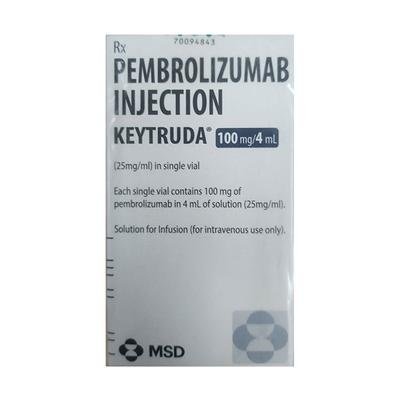
Keytruda 100mg Injection
Salt Composition: PEMBROLIZUMAB
- Manufacturer: MSD PHARMACEUTICALS PVT LTD
- Pack Size: 1 VIAL(s) OF 4ML
- Dosage Form: INJECTION
- Strength: 100MG
- Prescription Required
- Cold Chain
- Prepaid Only. Non-Returnable.
- Storage: Keytruda 100mg Injection should be kept refrigerated between 2°C and 8°C (36°F to 46°F). This medication should be protected from light and kept in its original packaging until the time of use. Keep it out of reach from children and pets.
₹175207.00₹208580.00
Inclusive of all taxes
Product Introduction
Keytruda 100mg Injection is an immunotherapy medication containing pembrolizumab. It is indicated for the treatment of cancers of the skin, lungs, bladder, stomach, liver, gallbladder, cervix, kidney, colon, rectum, oesophagus, breast, and uterus. It is also used in head and neck cancer and classical Hodgkin lymphoma, a type of blood cancer. Cancer is a condition characterised by uncontrolled and abnormal cell multiplication. Treatment with this medication can lead to durable responses and improved survival in certain patients with advanced cancer. It can improve overall survival in patients with several types of advanced cancer. However, not all patients respond to treatment, and some may experience side effects. Keytruda 100mg Injection is not recommended for children and adolescents under 18 years of age, with the exception of paediatric patients with classical Hodgkin lymphoma aged three years and older. Effective contraception should be used during treatment and for at least four months following the final dose. As with any cancer treatment, the decision to use this medication will depend on several factors, including cancer type and stage, the patient's overall health status, and prior treatments received. Patients with cancer should discuss the potential risks and benefits with their doctor.
Uses
Advanced melanoma Non-small cell lung cancer Classical Hodgkin lymphoma Urothelial carcinoma Gastric cancer Head and neck squamous cell carcinoma Cervical cancer Primary mediastinal large B-cell lymphoma
How it works
The therapeutic effect of pembrolizumab is the activation of the immune system to identify and attack cancer cells in the body. It is a type of immunotherapy drug that blocks a protein called PD-1 present in immune cells, which allows the immune system to identify and attack cancer cells more effectively. By doing so, this drug can help slow or inhibit the spread and growth of cancer cells in the body.
How to Use
Keytruda 100mg Injection is a medication that is administered by a healthcare professional, typically in a hospital or clinic setting. The medication is given as an intravenous (IV) infusion. The dosage and frequency will depend on the type and stage of the cancer, as well as the patient's overall health and response to the medication. The medication is typically given every three to four weeks, and the number of treatment cycles varies with the type and staging of cancer and the patient's response to the drug. During the infusion, the patient will be monitored by a healthcare professional for any potential side effects or reactions to the medication.
Side Effects
Side effects are unwanted symptoms caused by medicines. Even though all drugs cause side effects, not everyone gets them. Serious Pneumonitis (inflammation of the lungs). Hepatitis (inflammation of the liver). Colitis (inflammation of the colon). Hypothyroidism or hyperthyroidism. Adrenal insufficiency (decreased adrenal function). Type 1 diabetes. Common Fatigue Nausea Loss of appetite Diarrhea or constipation Skin rash or itching Headache Muscle or joint pain Cough or shortness of breath Fever or chills Low blood cell counts
Expert Tips
It is important to follow the healthcare provider's instructions carefully when receiving treatment with Keytruda 100mg Injection or any other medication. One of the most essential things you can do is attend all scheduled appointments. It will allow your healthcare provider to monitor your progress, check for any potential side effects, and adjust your treatment plan as needed. In addition to attending appointments, it is important to report any symptoms or side effects to your healthcare provider as soon as possible. women in reproductive age se effective birth control during the treatment and for at least four months after the last dose. Nursing women should avoid breastfeeding during treatment. Maintaining a healthy lifestyle while receiving treatment with Keytruda 100mg Injection is also essential. It includes eating a balanced diet, getting enough rest, and engaging in regular physical activity, as the healthcare provider recommends. Finally, being patient and staying positive throughout the treatment process is essential. Staying positive and optimistic can help you stay motivated and focused on your recovery.
References
- Merck Sharp & Dohme (UK) Limited, European Medicines Agency (emc), [Revised on Nov 2022], [ Accessed on 30th March 2023], https://www.ema.europa.eu/en/documents/procedural-steps-after/keytruda-epar-procedural-steps-taken-scientific-information-after-authorisation_en.pdf
- Merck, U.S. Food and Drug Administration, Highlights of Prescribing Information: Pembrolizumab, [Last revised 2023], [Accessed on 30th March 2023], https://www.accessdata.fda.gov/drugsatfda_docs/label/2023/125514s128lbl.pdf
- Goodman and Gilman's, The Pharmacological Basis of Therapeutics, 13th Edition, 2018, 1026,
Safety Advice
Pregnancy: unsafe Keytruda 100mg Injection is unsafe for a developing fetus, and it is not recommended for use during pregnancy.
Lungs: Consult your doctor Keytruda 100mg Injection has been associated with mild lung-related side effects, although these are relatively uncommon. You should consult the doctor if you have any lung diseases before starting the treatment.
Breastfeeding: unsafe If women is taking then it is a potential risk of harm to a nursing infant. Breastfeeding women should discuss the potential risks and benefits of the medication with their healthcare provider before starting treatment.
Disclaimer
The information provided on this page is intended for general informational purposes only and should not be considered as medical advice. Always consult a qualified healthcare professional before starting, stopping, or changing any medication. Self-medication can be harmful. Med For Rare does not endorse self-diagnosis or self-treatment.