Home › Products › Infectious Disease › Linzolieva 600mg Tablet
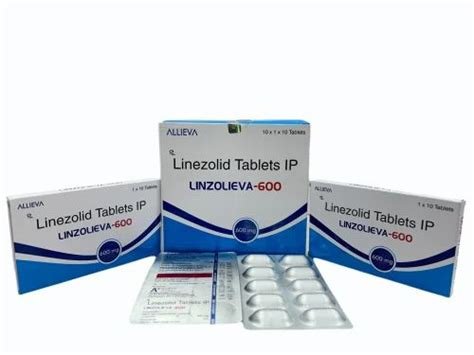
Linzolieva 600mg Tablet
Salt Composition: LINEZOLID
- Manufacturer: Allieva Pharma Pvt. Ltd.
- Pack Size: 10 TABLET(s) IN A STRIP
- Dosage Form: TABLET
- Strength: 600MG
- Prescription Required
- Storage: Store at room temperature, between up to 20°C-25°C (68-77°F) Keep away from moisture, heat, and light. It should not be frozen. Keep away from children and pets.
₹246.00₹351.56
Inclusive of all taxes
Product Introduction
Linzolieva 600mg Tablet contains linezolid, an antibiotic belonging to the oxazolidinone class of drugs. It is used to treat infections caused by certain bacteria, including drug-resistant strains such as Methicillin-resistant staphylococcus aureus (MRSA) infections, Vancomycin-resistant enterococcus (VRE) infections, and community-acquired pneumonia (CAP). The medication is effective against certain skin infections, including cellulitis, abscesses, and infected ulcers. In some cases, it may be used to treat infections affecting the central nervous system, such as meningitis, caused by susceptible bacteria. Linzolieva 600mg Tablet can be used as an option for treating endocarditis (infection of the heart's inner lining and valves). It may be used for certain mild to moderate skin infections. Cellulitis is a bacterial skin infection causing redness, swelling, and pain. Meningitis is the inflammation of the protective membranes around the brain and spinal cord, often caused by infection.
Hypersensitivity reactions can occur with linezolid, leading to symptoms such as rash, itching, and swelling, and in severe cases, life-threatening conditions like Stevens-Johnson syndrome or toxic epidermal necrolysis. Its interaction with certain medications, like monoamine oxidase inhibitors (MAOIs), can trigger serotonin syndrome, causing symptoms such as confusion, rapid heart rate, and tremors. This medication might rarely lead to hypersensitivity pneumonitis or blood-related issues like bone marrow suppression or thrombocytopenia. Any signs of allergic reactions or unusual symptoms should be reported to a healthcare professional immediately.
This medication can be used in children, but its use is typically reserved for situations where other antibiotics are not effective or appropriate. Before prescribing it to an older adult, a thorough medical review should be conducted, considering factors like kidney function, liver function, and potential interactions with other medications.
Uses
Methicillin-resistant staphylococcus aureus (MRSA) infections Vancomycin-resistant enterococcus (VRE) infections Pneumonia Skin and soft tissue infections Bone and joint infections Endocarditis Central nervous system infections Healthcare-associated infections
How it works
Linzolieva 600mg Tablets mechanism of action involves attaching to the bacterial ribosome's 23S rRNA, which disrupts the creation of working ribosomal structures necessary for protein production. This interruption slows down the beginning and building phases of protein synthesis, ultimately stopping bacterial growth and reproduction, while human ribosomes remain unaffected due to their different structure.
How to Use
Linzolieva 600mg Tablet can be administered orally through tablets or liquid, taken by mouth, or intravenously through infusion into a vein. The choice between these routes depends on the severity of infection, patient's condition, and guidance by the healthcare provider.
Side Effects
Linzolieva 600mg Tablet causes some side effects like all medications, although not everyone will experience them. If you experience these effects, avoid taking this medication while driving. Serious Severe allergic reactions Clostridium difficile infection (CDI) Liver issues Blood disorders Stevens-Johnson Syndrome Common Nausea and Vomiting Diarrhea Headache Insomnia Rash or Itching Change in Taste Dizziness
Expert Tips
Before starting Linzolieva 600mg Tablet Inform your healthcare provider about your complete medical history, allergies, and medications to avoid potential interactions. If you are pregnant, breastfeeding, have liver or kidney conditions, or take medications that affect serotonin levels, always consult a health care provider before taking this medication. Be cautious about potential side effects such as allergic reactions, lowered platelet counts, and nerve-related issues. If you have diabetes or high blood pressure, monitoring blood sugar and pressure regularly is necessary. Tyramine-rich foods should be consumed with caution due to potential interactions. Always stick to the prescribed duration and seek medical help in case of emergencies or unexpected reactions. Maintain open communication with your healthcare provider to address any concerns and receive personalized guidance for your situation.
References
- Panpharma UK Ltd, Electronic Medicines Compendium (EMC), [Revised on 22 Jun 2022] [Accessed on 17 August 2023], https://www.medicines.org.uk/emc/product/7300/smpc#gref
- Camille E. Beauduy, Lisa G. Winston, Tetracyclines, Macrolides, Clindamycin, Chloramphenicol, Streptogramins, & Oxazolidinones, Langeâs Basic and Clinical Pharmacology, 14th Edition, 2018, 815-825
- Pfizer, US Food and Drug Administration, [Revised on June 2010] [Accessed on 17th August 2023], https://www.accessdata.fda.gov/drugsatfda_docs/label/2010/021130s022lbl.pdf
Safety Advice
Pregnancy: Consult your doctor Consult a healthcare provider before using Linzolieva 600mg Tablet In these situations, as limited data is available on its safety for pregnant women.
Lungs: Consult your doctor If you have liver conditions, consult your healthcare provider before taking a Linzolieva 600mg Tablet, as these conditions might require special consideration due to potential effects on these organs.
Breastfeeding: Consult your doctor As limited data is available on its safety for breastfeeding individuals, always consult a health care professional.
Disclaimer
The information provided on this page is intended for general informational purposes only and should not be considered as medical advice. Always consult a qualified healthcare professional before starting, stopping, or changing any medication. Self-medication can be harmful. Med For Rare does not endorse self-diagnosis or self-treatment.