Home › Products › Infectious Disease › Pylokit Tablet
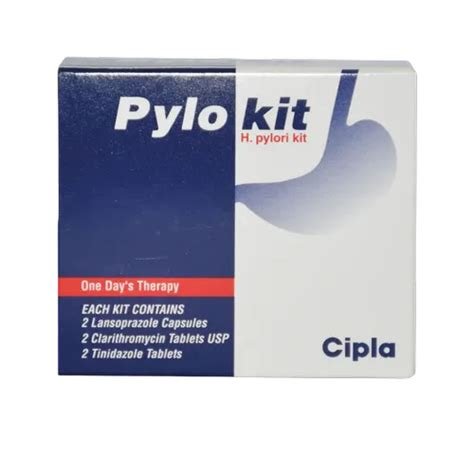
Pylokit Tablet
Salt Composition: CLARITHROMYCIN,LANSOPRAZOLE,TINIDAZOLE
- Manufacturer: CIPLA LTD
- Pack Size: 6 TABLET(s) IN A STRIP
- Dosage Form: TABLET
- Prescription Required
- Storage: Store at room temperature, between 15-25°C Keep away from moisture, heat, and light. It should not be frozen. Keep away from children and pets.
₹122.00₹146.55
Inclusive of all taxes
Product Introduction
Pylokit tablet contains three active components: Clarithromycin, Lansoprazole and Tinidazole. This medicine is used to treat peptic ulcer disease (PUD) caused by Helicobacter pylori infection (H. pylori). It is also used to treat gastritis caused by H. pylori infection. Peptic ulcer disease (PUD) occurs when sores or ulcers develop in the stomach lining or duodenum, the first part of the small intestine. Gastritis is inflammation of the stomach lining. This medication reduces the risk of complications such as bleeding and perforation, thereby improving quality of life.
Pylokit tablet should not be taken by patients allergic to any of its ingredients. It is not recommended in patients with active liver disease, active heart rhythm problems, pregnancy, or during breastfeeding. It should be used with caution in patients with kidney disease, low magnesium levels, low bone mineral density, tachycardia, or long QT syndrome. The medicine is generally safe for use in older adults. However, older adults may be more likely to experience side effects including diarrhoea, nausea, and vomiting. Before starting treatment, discussion with your doctor about the risks and benefits of this medication is important. Pylokit tablet is not recommended for use in children under 18 years of age.
Uses
Peptic ulcer disease (PUD) caused by H. pylori infection Gastritis caused by H. pylori infection
How it works
Pylokit tablet works by blocking the production of stomach acid and killing H. pylori bacteria, which helps to heal the ulcer and prevent it from coming back.
How to Use
Pylokit tablet is administered orally, meaning that it is taken by mouth. The choice of administration route may depend on the situation providing the medication.
Side Effects
Pylokit tablet causes some side effects like all medications, although not everyone will experience them. Serious: Allergic reactions Liver damage Heart rhythm problems QT prolongation Common: Nausea Vomiting Abdominal pain Headache Fatigue Taste disturbance Metallic taste Changes in liver function tests
Expert Tips
Be careful if you are taking any other medications that can interact with Pylokit tablet. If you have any underlying medical conditions, such as kidney disease, liver disease, or heart disease, talk to your doctor before taking this medication. This includes antibiotics, antifungals, heart medications, and blood thinners. If you experience any unusual side effects while taking this medication, stop taking the medication and talk to your doctor immediately. Do not take more or less medication than prescribed or longer than prescribed.
References
- I.D. Penman, C.W. Lees, Alimentary tract and pancreatic disease, Davidsonâs Principles & Practice of Medicine, 22nd Edition, 2014, 837-920.
- Ciplamed, [Revised on 25th Jun 2020] [Accessed on 28th Sept 2023], https://www.ciplamed.com/content/pylokit-kit
Safety Advice
Pregnancy: unsafe Pylokit tablet is unsafe during pregnancy. There is a risk that it could harm the developing baby. If you are pregnant or planning to become pregnant, talk to your doctor about other treatment options
Lungs: Consult your doctor If you have any lung disease, it is advisable to consult your healthcare provider before taking Pylokit tablet.
Breastfeeding: unsafe The amount of Pylokit tablet should not be taken while breastfeeding. There is a risk that it could pass into breast milk and harm the baby.
Disclaimer
The information provided on this page is intended for general informational purposes only and should not be considered as medical advice. Always consult a qualified healthcare professional before starting, stopping, or changing any medication. Self-medication can be harmful. Med For Rare does not endorse self-diagnosis or self-treatment.