Home › Products › Infectious Disease › Ritecef 1gm Injection
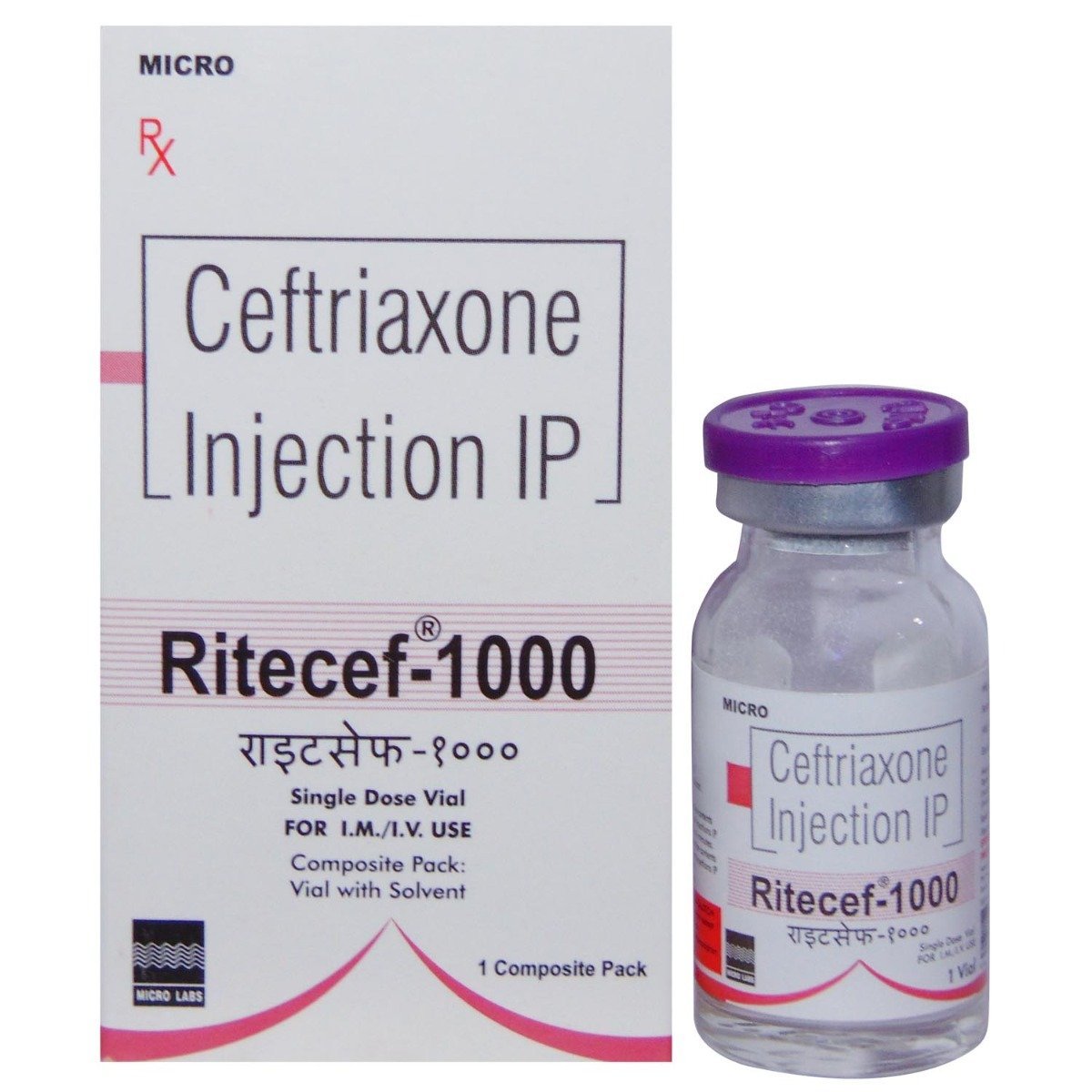
Ritecef 1gm Injection
Salt Composition: CEFTRIAXONE
- Manufacturer: MICRO LABS LTD
- Pack Size: 1 VIAL(s)
- Dosage Form: INJECTION
- Strength: 1GM
- Prescription Required
- Storage: Keep out of sight and reach of pets and children. Do not freeze the medicine. Do not store above 25°C. Always check the expiry date before consuming it.
₹43.00₹56.74
Inclusive of all taxes
Product Introduction
Ritecef 1gm Injection is an antibiotic containing the active ingredient Ceftriaxone. It belongs to the cephalosporin class of medications. This medicine is prescribed to treat bacterial infections affecting the meninges (meningitis), lungs, middle ear, abdomen and abdominal wall (peritonitis), urinary tract and kidneys, bones and joints, skin or soft tissues, and bloodstream. It is also indicated for sexually transmitted infections including gonorrhea and syphilis, infections with fever in immunocompromised patients, chest infections in adults with chronic bronchitis, Lyme disease from tick bites in adults and children aged 15 days or older, and surgical infection prophylaxis. Do not use Ritecef 1gm Injection if you are allergic to Ceftriaxone, other cephalosporins, or any component of the formulation. Avoid this medicine if you have had a severe allergic reaction to penicillin or related antibiotics (cephalosporins, carbapenems, or monobactams) or if you are allergic to lidocaine and the medicine is being administered as an intramuscular injection. Such reactions may manifest as throat or facial swelling, difficulty breathing or swallowing, swelling of hands, feet, or ankles, and sudden severe rash. Ritecef 1gm Injection should not be administered intravenously to premature infants or newborns up to 28 days of age with specific blood disorders, jaundice, or those receiving calcium-containing products. Before using Ritecef 1gm Injection, inform your doctor if you have recently used or plan to use calcium-containing products, experienced diarrhoea following antibiotic use, have a history of colitis or other gastrointestinal disorders, liver or kidney impairment, gallstones, kidney stones, are on a low-sodium diet, or have previously experienced rash, skin blistering, fever, flu-like symptoms, elevated liver enzymes, or lymphadenopathy in response to medications.
Uses
Treats bacterial infection.
How it works
Ritecef 1gm Injection works like a "construction stopper" for bacteria. It interferes with their ability to build strong cell walls, causing them to weaken and eventually die. This helps clear the infection and gets rid of the harmful bacteria.
How to Use
Ritecef 1gm Injection will be administered to you by a healthcare professional in a hospital setting. It is usually administered as an injection or infusion in the vein (intravenous) or muscle (intramuscular). Your doctor will decide the dose, route of administration, and frequency based on your disease condition and other factors.
Side Effects
Side effects are unwanted symptoms caused by medicines. Even though all medicines cause side effects, not everyone gets them. Serious Severe skin reactions (rapid rash with blisters or skin peeling) Jarisch-Herxheimer reaction (fever, chills, headache, muscle pain, skin rash) High body temperature Liver enzyme elevations Blood abnormalities (eosinophilia) Enlarged lymph nodes and other body organs involvement Drug Reaction with Eosinophilia and Systemic Symptoms (DRESS or drug hypersensitivity syndrome) Common Decreased white blood cells and platelets Loose stools or diarrhea Abnormal blood tests result for liver functions Rash
Expert Tips
If you are prescribed with this medicine for an extended period, regular blood or urine tests might be necessary. This medication can impact the results of urine sugar tests and a blood test called the Coombs test. When undergoing tests, ensure you inform the person collecting the sample about your Ritecef 1gm Injection use. If you're diabetic or require blood sugar monitoring, specific glucose monitoring systems may not provide accurate readings while on on this medicine. Check the usage instructions and consult your doctor or pharmacist for alternative testing methods if necessary. Before starting the treatment, inform your doctor about all the underlying medical conditions. Notify your doctor if you experience any serious side effects after taking Ritecef 1gm Injection. Contact your doctor for more information. It is highly advised not to skip the dose schedules as it may decrease the drug's effectiveness and increase the chance of bacteria developing resistance. It is generally suggested to complete the full treatment schedule as your doctor prescribes.
References
- Wockhardt UK Ltd, Electronic Medicines Compendium (EMC), [Revised on June 2022] [Accessed on 18th August 2023], 106653-12.pdf (medicines.org.uk)
- Roche Laboratories Inc, US Food and Drug Administration, [Accessed on 18th August 2023] https://www.accessdata.fda.gov/drugsatfda_docs/label/2009/0550585s063lbl.pdf
- Goodman & Gilmanâs, The Pharmacological Basis of Therapeutics, Penicillins, cephalosporins, and other beta-lactam antibiotics, 12th edition, 2011, 1499.
- KD Tripathi, Essentials of Medical Pharmacology, Beta-lactam antibiotics, 7th edition, 2013, 727.
Safety Advice
Pregnancy: Consult your doctor Limited information is available on the use of Ritecef 1gm Injection during pregnancy. Notify your healthcare professional if you are pregnant or planning to have a baby think you may be pregnant. Your doctor will decide whether you should use this medicine.
Lungs: Consult your doctor It is unknown whether Ritecef 1gm Injection is safe for patients with lung problems. Inform your physician if you have any lung disease before starting the treatment. Contact your doctor if you experience any lung-related symptoms.
Breastfeeding: Consult your doctor Before starting the treatment, inform your doctor if you are breastfeeding. Your doctor must determine whether using Ritecef 1gm Injection while breastfeeding is safe.
Disclaimer
The information provided on this page is intended for general informational purposes only and should not be considered as medical advice. Always consult a qualified healthcare professional before starting, stopping, or changing any medication. Self-medication can be harmful. Med For Rare does not endorse self-diagnosis or self-treatment.