Home › Products › Nephrology › Septacal Tablet
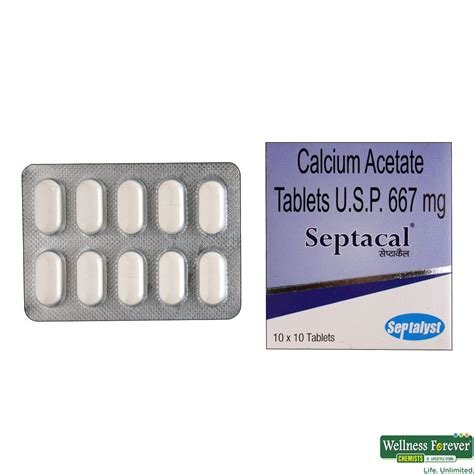
Septacal Tablet
Salt Composition: CALCIUM ACETATE
- Manufacturer: SEPTALYST LIFESCIENCES PVT LTD
- Pack Size: 10 TABLET(s) IN A STRIP
- Dosage Form: TABLET
- Strength: 667MG
- No Prescription Required
- Storage: Should be stored at room temperature, between 20°C to 25°C. Keep away from moisture, heat, and light. It should not be frozen. Keep away from children and pets.
₹34.00₹43.13
Inclusive of all taxes
Product Introduction
Septacal tablet contains the active component calcium acetate. It is a medication used to manage elevated phosphate levels in the blood, known as hyperphosphatemia. It is primarily indicated in patients with chronic kidney disease (CKD) and end-stage renal disease (ESRD) undergoing dialysis. It helps maintain bone health and reduce the risk of bone fractures and other bone-related complications. Septacal tablets may lower the risk of cardiovascular problems such as heart disease and vascular calcification. It can be used alongside dietary modifications to improve phosphate level control. Elevated phosphate levels can contribute to symptoms including itching and skin irritation, which are common in patients with kidney disease. Lowering phosphate levels with this medication may provide relief from these symptoms.
Patients with hypersensitivity or allergic reaction to calcium acetate or any of its components should avoid this medication. Patients with severe kidney impairment or impairment of calcium metabolism should avoid this medication. Caution should be exercised in patients with a history of kidney stones or kidney disease and those taking medications containing calcium or magnesium. Use in children is generally not recommended due to insufficient clinical data in paediatric populations. In older individuals, use of this medication should be approached with caution as older age often presents with multiple health problems, including impaired kidney function, cardiovascular issues, and calcium-related disorders. It is important to consult a healthcare professional before starting this medication in older patients.
Uses
Hyperphosphatemia in CKD/ESRD Adjunct to dietary management in CKD/ESRD dialysis
How it works
Septacal tablet's therapeutic action is its ability to bind with dietary phosphate in the gastrointestinal tract. Upon ingestion, it dissociates into calcium and acetate ions. The calcium ions form insoluble complexes with phosphate ions from ingested foods, forming calcium phosphate salts that are not absorbed into the bloodstream. As a result, phosphate absorption from the diet is reduced, leading to lower phosphate levels in the blood.
How to Use
Septacal tablet is typically administered orally, meaning it is taken by mouth as tablets or capsules. The medication is designed to be swallowed with water and should not be chewed or crushed unless specifically instructed by a healthcare provider. The oral route is the most common and effective way to use this medication to manage hyperphosphatemia in individuals with chronic kidney and end-stage renal disease.
Side Effects
Septacal tablet cause some side effects like all medications, although not everyone will experience them. Serious: Hypercalcemia Calcium-based tissue deposition Aluminum toxicity Common: Upset stomach Constipation Abdominal pain Loss of appetite Itching Hypocalcemia
Expert Tips
Inform your healthcare provider about your complete medical history, allergies, and ongoing medications or supplements to ensure safe usage. Regular monitoring of blood phosphate levels is important to assess the effectiveness of the Septacal tablet in managing hyperphosphatemia. Stick to dietary recommendations your healthcare provider provides to complement the medication's effects. Be vigilant for symptoms of hypercalcemia, such as nausea, vomiting, and confusion, as well as symptoms of hypocalcemia. If you experience any adverse effects, consult your healthcare provider, who may adjust the dosage or recommend alternative treatments. Pregnant and breastfeeding individuals should seek guidance from a healthcare provider before using this medication. Discuss your allergies, history of hypersensitivity reactions, or underlying conditions like liver or lung issues with your healthcare provider before starting them. Always consult your healthcare provider for personalized advice and guidance on the safe and effective use of this medication in your specific circumstances.
References
- RenaCare NephroMed GmbH, Electronic Medicines Compendium (EMC), [Revised on Feb 2012] [Accessed on 22 August 2023], https://www.medicines.org.uk/emc/files/pil.4646.pdf
- Genzyme Ireland Ltd, US Food and Drug Administration, [Revised on: 04/2020 ] [Accessed on 23rd August 2023] , https://www.accessdata.fda.gov/drugsatfda_docs/label/2020/022127s019,022318s021lbl.pdf
- J. Goddard, A.N. Turner, Kidney and Urinary Tract Disease, Davidsonâs Principles and Practice of Medicine, 22nd Edition, 2014, 461-523.
Safety Advice
Pregnancy: Consult your doctor Pregnant women should consult their healthcare provider before taking Septacal tablet as its safety is not well studied in pregnant women.
Lungs: Consult your doctor If you have lung conditions, it is advisable to consult your healthcare provider before using Septacal tablet.
Breastfeeding: Consult your doctor Septacal tablet's safety during breastfeeding is not well established. Consult a healthcare provider before using this medication while breastfeeding.
Disclaimer
The information provided on this page is intended for general informational purposes only and should not be considered as medical advice. Always consult a qualified healthcare professional before starting, stopping, or changing any medication. Self-medication can be harmful. Med For Rare does not endorse self-diagnosis or self-treatment.