Home › Products › Oncology › Sunisam 50mg Capsule
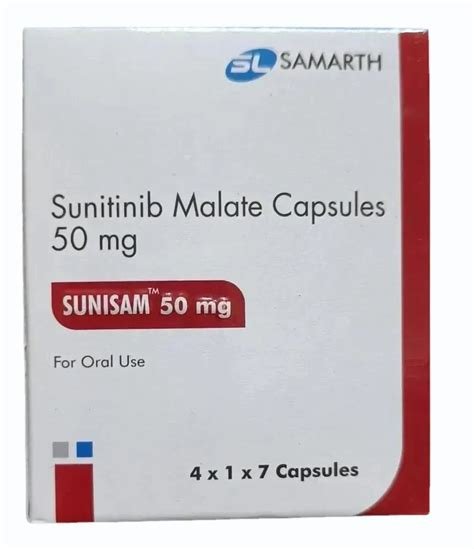
Sunisam 50mg Capsule
Salt Composition: SUNITINIB
- Manufacturer: SAMARTH LIFE SCIENCES PVT LTD
- Pack Size: 7 CAPSULE(s) IN A STRIP
- Dosage Form: CAPSULE
- Strength: 50MG
- Prescription Required
- Storage: Sunisam 50mg Capsule should be stored at room temperature, between 68°F and 77°F (20°C and 25°C). Keep it in the original package. Protected from moisture, light, and heat. Keep it out of reach from children and pets.
₹2275.00₹3250.00
Inclusive of all taxes
Product Introduction
Sunisam 50mg Capsule contains the active ingredient Sunitinib, a tyrosine kinase inhibitor. It works by blocking tyrosine kinases, enzymes involved in the growth and spread of cancer cells. This medication is indicated for patients with gastrointestinal stromal tumours (GIST), a rare malignancy originating in the gastrointestinal tract, as well as advanced renal cancer and pancreatic neuroendocrine tumours (PNET). Cancer is a condition characterised by uncontrolled growth of abnormal cells. This medication is not recommended for individuals under 18 years of age.
Before starting Sunisam 50mg Capsule, inform your physician if you have blood disorders, cardiac conditions, hepatic disorders, renal problems, skin conditions, diabetes, seizure disorders, or thyroid disorders. Disclose any recent surgery or planned surgical procedures. Notify your doctor if you have hypertension, as this medication may cause elevated blood pressure as a side effect. Do not consume grapefruit in any form during treatment with Sunisam 50mg Capsule. Consult your dentist regarding any oral issues such as mouth pain, swelling, or oral ulcers before commencing treatment.
Uses
Sunisam 50mg Capsule is used in the treatment of the following condition: Renal cell carcinoma (RCC) Gastrointestinal stromal tumors (GIST) Pancreatic neuroendocrine tumors (PNET) Medullary thyroid cancer Certain kidney cancer
How it works
The therapeutic effects of Sunisam 50mg Capsule include slowing down or stopping the growth and spread of cancer cells in the body, thereby reducing the size and number of tumors. It works by inhibiting the activity of specific proteins known as tyrosine kinases, which are involved in the signaling pathways that control cell growth and division. It can help to prevent cancer cells from growing and spreading by blocking these pathways.
How to Use
Sunisam 50mg Capsule is taken orally, in the form of capsules, with a glass of water. The capsules should be swallowed whole and not crushed, chewed, or opened. The recommended dose may vary depending on the type of cancer being treated, the patient's age and weight, and other factors. This medication is usually taken once a day, with or without food, at around the same time each day. If you miss a dose then do not double the dose to compensate for the missed dose .
Side Effects
Side effects are unwanted symptoms caused by medicines. Even though all drugs cause side effects, not everyone gets them. Side effects related to Sunisam 50mg Capsule are as follows: Serious: Heart failure or heart attack Elevated liver function tests. Liver failure Proteinuria Acute kidney injury Interstitial lung disease (inflammation of lung walls) Pulmonary arterial hypertension Gastrointestinal perforation or fistula Haemorrhage (bleeding) Hypothyroidism (low thyroid function) Hypoglycemia (low blood sugar) Common Fatigue Nausea and vomiting Diarrhoea Loss of appetite Hand-foot syndrome Skin discoloration or rash High blood pressure Headache Hair loss Changes in taste Dry skin or itching Nosebleeds
Expert Tips
If you have been prescribed Sunisam 50mg Capsule, it is important to follow your healthcare provider's instructions. During treatment avoid taking grapefruit or grapefruit juice as it can increase the levels of medication in the blood and potentially increase the risk of side effects. Use a reliable method of birth control while taking the medication and for at least four weeks after the last dose. This medication can cause serious side effects, so it is important to be vigilant and informed about your treatment. Make sure to report any symptoms or changes in your health, even if they seem minor. With proper precautions and monitoring, it can be an effective treatment for certain types of cancer.
References
- Pfizer, U.S Drug and food safety administration (FDA), [Revised on Dec 2018], [Accessed on 5th April 2023], https://www.accessdata.fda.gov/drugsatfda_docs/label/2018/021938s035lbl.pdf
- Anton Wellstein, Giuseppe Giaccone, Michael B. Atkins, and Edward A. Sausville, Pathway-Targeted Therapies: Monoclonal Antibodies, Protein Kinase Inhibitors, and Various Small Molecules, Goodman & Gilmanâs Pharmacological Basis of Therapeutics, 13th Edition, 2018, 1203-1236.
- Robert J. Thomson; Majid Moshirfar; Yasmyne Ronquillo, Tyrosine Kinase Inhibitors, [Revised on 21st Jan 2021] [Accessed on 5th April 2023], https://www.ncbi.nlm.nih.gov/books/NBK563322/
- Pfizer, Electronic Medicines Compendium (EMC) [Revised on Mar 2021] [Accessed on 5th April 2023], https://www.medicines.org.uk/emc/files/pil.7966.pdf
- KD Tripathi, Anticancer Drugs, Essentials of Medical Pharmacology, 8th Edition, 2019, 915-936.
Safety Advice
Pregnancy: unsafe Sunisam 50mg Capsule is unsafe for a developing fetus and is not recommended during pregnancy as it can cause harm to the developing fetus.
Lungs: unsafe Sunisam 50mg Capsule can cause interstitial lung disease (ILD), a serious and potentially fatal condition that causes scarring of the lungs. Patients taking this medication should be monitored for symptoms of ILD, such as cough, shortness of breath, and fever, and treatment should be interrupted or discontinued if necessary.
Breastfeeding: Consult your doctor It is unknown whether Sunisam 50mg Capsule is excreted in human breast milk. Breastfeeding women should discuss the potential risks and benefits of the medication with their healthcare provider before starting treatment.
Disclaimer
The information provided on this page is intended for general informational purposes only and should not be considered as medical advice. Always consult a qualified healthcare professional before starting, stopping, or changing any medication. Self-medication can be harmful. Med For Rare does not endorse self-diagnosis or self-treatment.