Home › Products › Others › Thymogam 250mg Injection
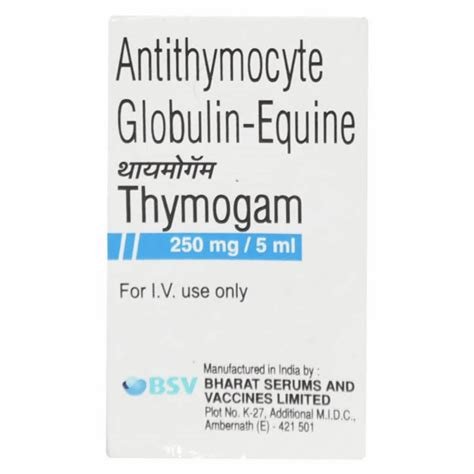
Thymogam 250mg Injection
Salt Composition: ANTITHYMOCYTE IMMUNOGLOBULINS
- Manufacturer: BHARAT SERUMS & VACCINES LTD
- Pack Size: 1 VIAL(s) OF 5ML
- Dosage Form: INJECTION
- Strength: 250MG
- Prescription Required
- Cold Chain
- Prepaid Only. Non-Returnable.
- Storage: Store in refrigerated conditions between 2°C and 8°C (36°F to 46°F). Protect the medicine from light and excessive moisture. Keep the medicine out of reach of children and pets Take only a partial dose to compensate for a forgotten dose.
₹8888.00₹13887.50
Inclusive of all taxes
Product Introduction
Thymogam 250mg Injection contains the active ingredient Antithymocyte Immunoglobulins. It is a purified and sterile form of gamma globulin isolated from the hyperimmune plasma of horses immunised with human white blood cell components. It is used following kidney transplantation and alongside other therapies to treat and delay organ rejection. After solid organ transplantation, the body mounts an aggressive immune response because it recognises the transplanted organ's antigens as foreign. Immunosuppressive agents are therefore necessary after organ transplant to prevent rejection. Aplastic anaemia is a condition characterised by the failure of bone marrow to produce sufficient blood cells. Thymogam 250mg Injection is used to treat severe aplastic anaemia, suppress the immune system, and reduce immune-mediated destruction of bone marrow cells, thereby helping restore normal blood cell production. Thymogam 250mg Injection may decrease the need for high doses and prolonged use of corticosteroids in immunosuppressive treatments, which can minimise side effects and risks. Patients with known hypersensitivity or previous severe allergic reactions to Thymogam 250mg Injection or any of its components should not receive it. Live vaccines should generally be avoided during treatment. Patients with active infections, particularly severe or systemic infections, should receive treatment only after the infection is adequately treated and resolved.
Uses
Organ Transplantation (prevention of organ rejection) Aplastic Anemia Renal Allograft Rejection (kidney rejection) Autoimmune Hemolytic Anemia (type of blood disorder) Myasthenia Gravis (bone disorder)
How it works
The therapeutic effect of Thymogram 250mg Injection is the suppression of the immune response by targeting and depleting T lymphocytes. This effect is beneficial in preventing organ rejection in solid organ transplantation, where this medication helps increase the success of transplantation and improve graft survival rates. Additionally, these are used in treating conditions such as aplastic anemia and graft-versus-host disease (GVHD), where the immune system attacks the body's cells or tissues. Modulating the immune response reduces immune-mediated damage, alleviates symptoms, and promotes the restoration of normal cell production.
How to Use
Thymogram 250mg Injection is typically administered intravenously injection in a hospital or clinical setting. Your healthcare provider will determine the specific dosage and infusion rate based on factors such as the condition being treated, your body weight, and your response to the medication.
Side Effects
Side effects are unwanted symptoms caused by medicines. Even though all drugs cause side effects, not everyone gets them. Serious Allergic reactions Infections Blood disorders (anemia, thrombocytopenia) Kidney dysfunction Neurological complications Common Urinary tract infection Stomach pain High BP Nausea Fever, headache, and chills Anxiety Skin reactions
Expert Tips
Always consult with a qualified healthcare professional regarding the use of Thymogram 250mg Injection or any other medication. Close infection surveillance is essential due to the increased risk associated with immunosuppression. Regular monitoring of liver function, kidney function, and blood counts is advised to detect any potential hepatotoxicity, drug-induced liver injury, renal dysfunction, or blood disorders. Infusion-related reactions should be anticipated and managed appropriately. Pregnant and breastfeeding women should consult a doctor before taking it. Pediatric and geriatric patients require special consideration. Psychological effects should be monitored, and close consultation with healthcare professionals is necessary to ensure safe and effective use of it. Open communication and collaboration with your healthcare team are key to ensuring the safest and most effective medication use.
References
- 1. S.E. Marshall, Immunological Factors in Disease, Davidsonâs Principles and Practice of Medicine, 22nd Edition, 2014, 71-96. 2. Genzyme Corporation, US Food and Drug Administration, [Revised on Apr 2017] [Accessed on 26th May 2023], https://www.fda.gov/media/74641/download
Safety Advice
Pregnancy: If you are taking Thymogram 250mg Injection and are planning to become pregnant or are already pregnant, it is important to discuss this with your healthcare professional.
Lungs: Thymogram 250mg Injection should be used cautiously in individuals with liver impairment or pre-existing liver disease. This is because this medication is primarily metabolized in the liver, and impaired liver function can affect the metabolism and clearance of the medication from the body.
Breastfeeding: If you are breastfeeding and require Thymogram 250mg Injection treatment, discussing your specific circumstances with your healthcare provider is crucial.
Disclaimer
The information provided on this page is intended for general informational purposes only and should not be considered as medical advice. Always consult a qualified healthcare professional before starting, stopping, or changing any medication. Self-medication can be harmful. Med For Rare does not endorse self-diagnosis or self-treatment.